- Age
- 30
- City
- Dublin, Ireland
- Job
- Graphic Artist
- Interests
- Photography, writing, trains.
- Previous trip highlights
- I went on a three-month journey by railroad around the United States in 2008. I saw Barack Obama at his election night in Chicago, I drove cattle on horseback in Montana, I hitched a lift on a truck to Texas from New Orleans, I had my heart broken in Michigan, and I mended it again in Nashville, Tennessee.
- Motto in life
- I don't have a motto in life. Maybe this is where I'm going wrong?
Last Location
Everest Base Camp, Tibet
It takes two hours to get to Everest the next morning, over the high mountain pass and through two military checkpoints. But when we get to base camp the crisp blue sky has disappeared and thick cloud hangs on the horizon. It blocks everything from sight, except for a flock of crows and Rombuk Monastery, the highest monastery in the world.
“That’s the space where the mountain used to be,” Wangden shouts over the wind at me, pointing at the cloud as we jump out of the jeep.
“I’m so sorry,” says Sonon. “But you know they say Everest just looks like a fat old man in a group of beautiful women? There are better mountains.”
We mess around in the fog for a while, Wangden and Sonan and Yeshi and me, taking pictures of each other by the plinth — Mount Qomolangma Base Camp, Altitude 5300 Metres — but the wind cuts through the blankets tied around our waists and stings our faces. There’s nobody here but us and the cold: the tents have been packed up for the winter and everybody’s gone home.
“Look,” says Wangden, pointing towards the building. A woman in long red robes waves at us through the fog. She calls out to us in Tibetan and beckons us to come in, and we follow her up to the monastery. The courtyard is brightly painted; quiet and still and sheltered from the wind, and we take a minute to rub the blood back into our fingers.
“She says the weather has been like this for days,” Wangden translates for me. “And they haven’t seen the mountain in nearly a week. Do you want to go inside and drink tea?”
Yes, I want to drink tea. The guys go to the temple to bless themselves, and I let the nun lead me down a narrow stone corridor and through a small door, which is more like a hole in the wall. The room is low-ceilinged and dark, except for thin shafts of light beaming in through a low window. At first I think there’s strange music playing, but as my eyes adjust I realise it’s a group of nuns and a monk sitting around the stove, chanting. The music I’m hearing is their voices and the sound of the wind outside harmonising. One nun locks eyes with me and smiles, and makes the international sign for: Please, warm your hands by the fire, child.
I sit on a bench and drink the butter tea that’s handed to me. I can feel the altitude in my head and in my stomach, but I’m so exhilarated to be here and this room is so peaceful that I just ignore it. Outside, the cloud still sits low and thick over the mountains and nothing seems to be changing. The guys come in from the temple and join me, and we all stay there very quietly for a while, absorbed by the chanting.
Eventually, Sonan says we can either stay at the monastery for a couple of days and hope the weather clears, or head back down to Lhasa. Of course I want to stay, but Wangden points out that the Chinese are closing Tibet to foreigners for the entire month of March. I have to get out of here and back to China.
It’s okay. I’m just so happy to have been here, and the world really doesn’t need another photograph of that mountain.
Feeling the altitude
Shegar is 4300 metres above sea level and I’m beginning to feel it. There’s a woman in the bar who wants to sing for me, but Wangden warns me that if I agree then she’ll expect me to sing for her, too. But what Wangden doesn’t know is that I’m my mother’s daughter: of course I’m going to sing for her.
But when it’s my turn to stand up the altitude goes to my head and I have to sit back down again and catch my breath. My stomach turns over so I stagger outside and try to get some air. It’s cold in Shegar. It must be minus 10 out here, and it hadn’t felt that much warmer inside the bar.
I find my way back to my room — a stone outhouse — in the dark. There’s no electricity, and Sonan comes in with a candle and fills a hot water bottle for me. Wangden sits on the edge of my bed. He presses his hand to my forehead, which I find calming, and then he takes my pulse, which I find alarming.
“Is it normal?” I whisper, hoarsely, trying frantically to remember if a slow pulse or a fast pulse is better.
“It’s okay,” says Wangden, my own personal Buddhist, smiling at me gently. “But if you’re still feeling ill after one hour, I think we should go lower.”
He goes outside and talks to the guys. I shiver in the bed and listen to Yeshi packing up the jeep again. Sonan had already told me that last summer his whole group ended up on oxygen tanks in hospital back in Lhasa. But I don’t want to go lower! I came all this way to see Everest in the sunrise tomorrow morning. I’m 5000 miles from home and only two more hours away from that mountain.
Wangden comes back in and puts his hand to my forehead again. He says he’ll stay with me, and I explain to him about not wanting to miss the mountain.
“My father is very proud of me,” I tell him. “He keeps saying to people ‘my daughter is going to Everest by herself’, even when he’s talking to my mum and my best friend, in case they’ve forgotten who I am.”
Wangden laughs, and gets up and finds me yet another blanket.
“But you’re not by yourself, Annie,” he says. “And I don’t think you ever really will be.”
Just having him here is so calming. We talk for a while in the moonlight coming in through the window. I show him pictures of my family, and he asks if my mother is an artist. How can he tell? “She’s wearing a peculiar hat,” he says, as if it’s obvious. Then he shows me pictures of his own parents, who also happen to be wearing peculiar hats but their excuse is that they’re Tibetan nomads. I ask him about his childhood and he tells me about travelling the grasslands with their forty yaks. Eventually my legs stop shaking: I think I must have acclimatised because I can breathe again without concentrating.
“Maybe it was just hypochondria,” I say, sitting up and drinking some water. But Wangden’s never heard of this hypochondria before so I have to explain it to him.
“You know, it’s when you worry that you’re ill when you’re not ill, and that makes you feel ill?”
Wangden smiles and shakes his head. “I think this must be a Western thing,” he says.
Monks at Shigatse Monastery, Tibet
Halfway between Lhasa and Everest, we stopped the jeep at Shigatse to sleep, eat, and visit the Monastery.
Gyantsezon and Yamdrok Lake, Tibet
Mothers and children at Shigaste Monastery, Tibet
Shegar, Tibet
We drove for miles and miles through the desert and over mountain passes and beside bright blue rivers until we got to Shegar, a village in the mountains with a monastery set up high on the cliffs.
My three Tibetan Guides
In the morning the guys pack up the jeep for the three-day trip to Base Camp and Tashi the housekeeper gives us two baskets full of yak meat.
“If you want to stop at villages for pictures along the way, you have to tell Yeshi, okay?” she says. “Otherwise he’s just going to drive right by.”
I get it: the villages don’t much interest the guides. It’s like a Tibetan coming to Ireland to photograph Crumlin rather than the Cliffs of Moher.
“And be careful up there,” says Tashi, waving us goodbye. “You feel sick you just come back.”
It’s okay, I don’t need to be told. I’m too much of a hypochondriac to let myself die alone at the bottom of a mountain. I feel safer now than I have done in weeks and I’m glad I booked my trip with the best company in Tibet. Snowlion Tours are a grassroots agency dedicated to paying back profit into local communities, and Wangden the owner is even coming along on the trip. What can go wrong? I’m in a great jeep packed with potatoes and candy and boiled yak, sleeping bags and blankets and hats, and three beautiful Tibetan Buddhists for guides.
Through Lhasa on a Rickshaw
Sonan and I ride back through Lhasa on a rickshaw, dodging taxis and donkeys and cops. I still don’t understand any Tibetan but I notice people say something that sounds like “allez” a lot, so I say it, too, in an attempt to fit in. When I get back to Ireland, I think, I’m going to start wearing two long plaits in my hair and when people comment on it I’ll just say, oh, what, these old things?
Tibetan Sky Burials
“This is where the bodies are fed to the eagles,” says Sonan, my guide, above a bright blue river in the mountains outside of Lhasa.
“I don’t understand,” I say, confused. “Which bodies?”
“The dead bodies, of the people,” he says, and goes on to explain sky burials to me.
When a Tibetan dies, the family take the body to the mountainside where a monk breaks it into pieces with a knife and an axe. Eagles start to gather on the cliffs, while the monk’s assistants use rocks to pound the flesh and bones to a pulp. Eventually the birds are summoned, and they fly down and take the lumps of flesh back into the sky with them, until there’s nothing left.
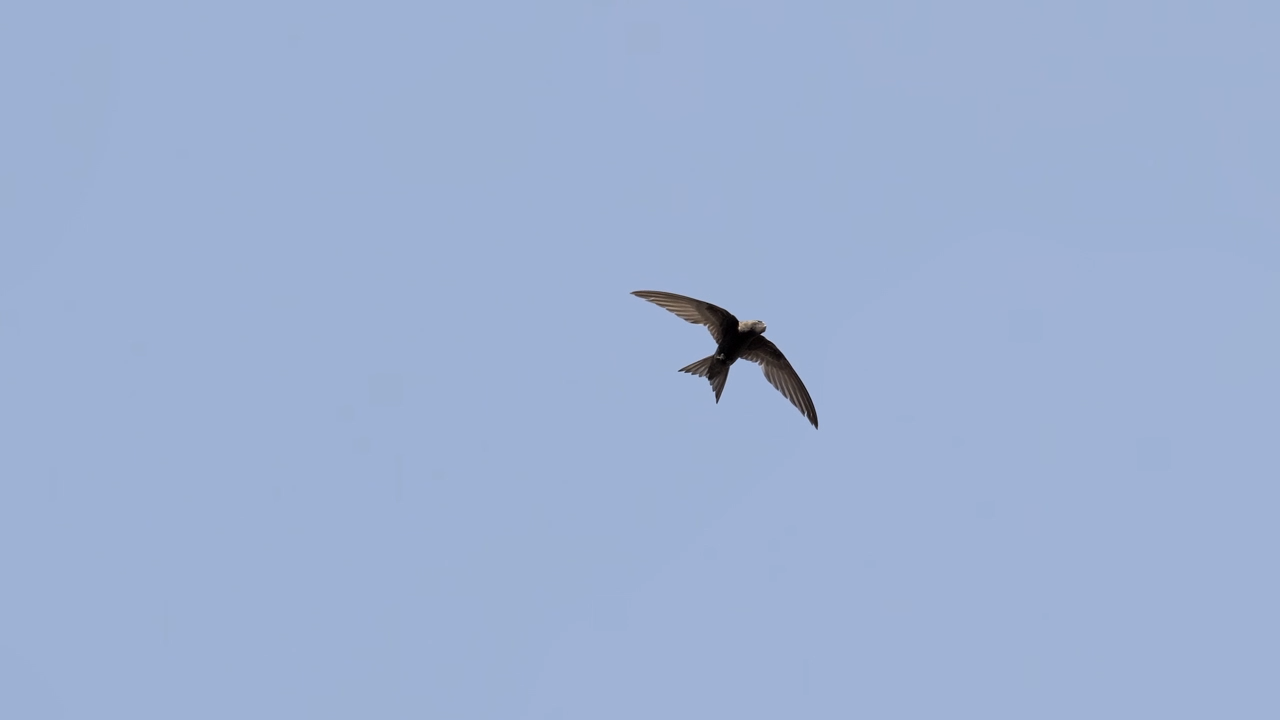
I’m shocked. The prayer flags on the rocks whip in the wind, and I look up and watch three beautiful eagles gliding overhead.
“But this only happens to the monks and the lamas, right?” I say, eventually. “Not to people like you?”
“Yes, of course this will happen to me,” says Sonan. “It happens to nearly all Tibetans when they die.”
“In front of your own mother?” I exclaim. I just can’t believe it. I can’t believe someone would actually be fed to eagles in front of their own mother.
“Yes,” he says. “In front of my own mother, if she’s still alive.” He looks at me curiously. “Why? What happens to you when you die?”
“I’ll be put in a nice box and buried, thanks, or I’ll be set on fire,” I say, shaking my head. “Definitely no birds involved when I die.”
Sonan laughs. “Okay,” he says. “No birds for the Europeans.”
“That’s right,” I say, looking back up at the eagles circling us in the sky.